Watauga vs. North Richland Hills Water Damage: What's Different?
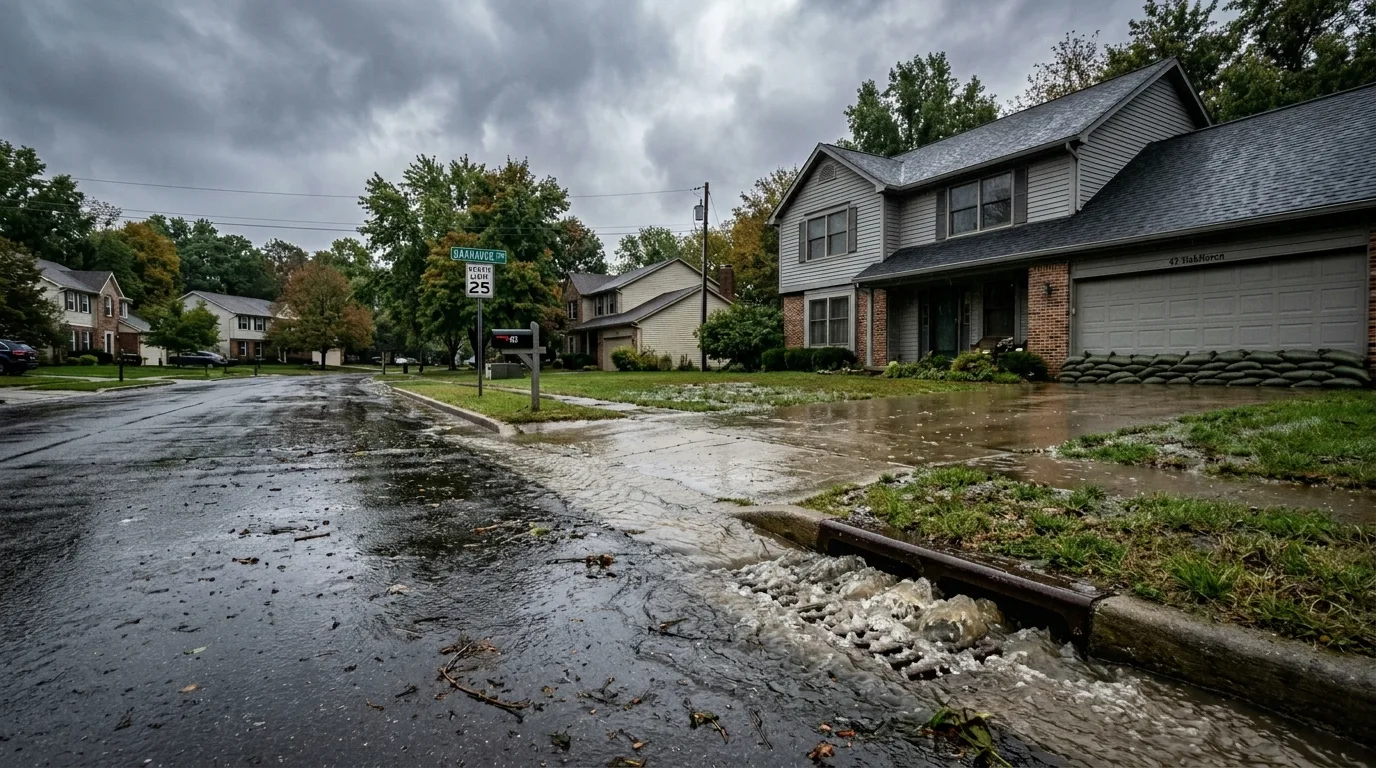
Water damage Watauga North Richland Hills homeowners face has more in common than many people realize — both cities sit in Tarrant County on the same expansive clay soil, experience the same severe North Texas storms, and have significant 1960s–70s housing stock with original plumbing. But the specifics differ in ways that matter for homeowners, insurance claims, and restoration strategies. This comparison covers the key differences in water damage risk, claim patterns, and what property owners in each city should understand.
Water Damage in Watauga or North Richland Hills? Call (877) 698-1311
24/7 response throughout Tarrant County. IICRC certified, direct insurance billing.
Geography and Housing Stock: The Foundation of Risk
Watauga is a small city — 4.16 square miles — surrounded entirely by Keller (north), Fort Worth (west), Haltom City (southwest), and North Richland Hills (south and east). The overwhelming majority of Watauga’s housing stock was built between 1960 and 1985, with the highest concentration in the 1965–1975 window. This means original galvanized or early copper plumbing, slab-on-grade foundations, and construction materials from an era with less vapor barrier consideration than modern building standards require.
North Richland Hills covers a larger area with more diverse housing stock — older sections near the Watauga border share similar 1960s–70s construction characteristics, while newer development toward Colleyville and Keller features more modern construction with PEX plumbing and better-engineered foundations. This diversity means North Richland Hills experiences a wider range of water damage causes: older sections see the slab leak and pipe corrosion patterns common in Watauga, while newer areas deal more often with appliance failures and storm-related roof damage.
Slab Leaks: Watauga’s Dominant Pattern
In our work throughout Tarrant County, Watauga has a disproportionately high rate of slab leak-related water damage compared to North Richland Hills overall — primarily because Watauga’s housing stock is almost uniformly from the high-risk era, while North Richland Hills has a more mixed age profile.
The pattern in Watauga is consistent: homes built between 1963 and 1978 in Central Watauga and the Whispering Hills area are reaching the 50–60 year mark for their original plumbing, and Tarrant County’s expansive clay soil has been working on those galvanized pipe joints for all 50–60 of those years. The failure mode is predictable: corrosion plus soil movement fatigue at joints beneath the slab, often first surfacing as a warm floor spot or an unexplained water bill increase. See our full breakdown in slab leak detection and repair in Watauga.
North Richland Hills sees slab leaks too — particularly in the older sections near the Watauga border — but at a lower per-capita rate because a larger percentage of its housing stock was built or repiped after the galvanized era.
Storm Damage: Similar Risk, Similar Responses
Both cities face the same spring storm season risk from March through May. Severe thunderstorms, large hail, and high-wind events affect both cities simultaneously — Watauga and North Richland Hills experience the same weather systems, and a hail event large enough to damage roofing in one city will typically affect both.
The practical difference is insurance claim processing: North Richland Hills has a larger population and more total insurance claims per storm event, which sometimes means longer adjuster wait times during peak storm season. Watauga homeowners may experience faster claim response in some situations simply because there are fewer total claims in the smaller city.
The structural drying and insurance claim assistance process is identical in both cities — we serve both communities with the same IICRC-certified team and Xactimate documentation.
Freeze Damage: Equal Risk
Both Watauga and North Richland Hills experienced catastrophic pipe failures during the February 2021 Winter Storm Uri, with no meaningful difference in impact rates. Both cities have the same proportion of older construction vulnerable to freeze events, and neither city’s building code historically required the freeze protection standards needed for Uri-level events.
Preparation recommendations are identical for both communities: insulate attic pipe runs, know main water shutoff locations, let faucets drip during forecast severe freeze events. See our winter freeze protection guide for Watauga homes — the same guidance applies to North Richland Hills properties.
Water Damage in Watauga or NRH? We Serve Both Cities
60-minute response throughout Tarrant County. IICRC certified. Call (877) 698-1311.
Practical Restoration Differences: Permits and Contractors
Permits: Watauga structural repair permits go through Watauga Public Works at 817-514-5806. North Richland Hills has its own permit office with separate contact procedures. We work in both jurisdictions regularly and handle all permit applications and contractor licensing requirements for both cities.
Insurance: Both cities are served by the same major carriers, and restoration costs and claim processes are comparable. The pricing data from Tarrant County applies equally to both — $3–$4/sq ft for extraction, $4–$10/sq ft for structural drying, $10–$25/sq ft for full restoration — though specific project costs vary with scope.
Contractor availability: During peak demand periods — immediately after Uri, during active spring storm seasons — restoration companies serving Tarrant County work at capacity. Having a pre-established relationship with a local contractor before an emergency provides better access to responsive service during these periods. We maintain consistent staffing for both Watauga and North Richland Hills throughout the year.
What Property Owners in Both Cities Should Prioritize
For 1960s–70s homes in either city: Monitor water bills monthly, get a professional moisture assessment if you notice the early warning signs described in our hidden water damage guide, and consider a camera inspection of your sewer lateral before selling or after any major drought event. The same aging infrastructure risk applies in both cities for homes of this era.
For newer construction in either city: Focus on appliance maintenance — water heater replacement at or before the manufacturer-recommended lifespan, washing machine hose inspection, and refrigerator water line checks. Storm preparation remains important for all construction ages.
For either city, when water damage occurs, the response is the same: call immediately, shut off water at the main, and wait for IICRC-certified professionals who document the damage properly for your insurance claim.
Frequently Asked Questions
Does water damage restoration cost more in Watauga than North Richland Hills?
Pricing is essentially the same across Tarrant County. Both cities fall within the same DFW contractor market, and pricing benchmarks from the Tarrant County area apply to both. The scope of individual projects varies based on the nature of the damage, not the city.
Do the same restoration protocols apply in both Watauga and North Richland Hills?
Yes — the same IICRC S500 drying standard, the same moisture documentation requirements, and the same insurance documentation practices apply regardless of city. We serve both with identical quality standards.
Which city has more water damage claims historically?
North Richland Hills has more total claims simply because it has a larger population. On a per-capita basis, Watauga’s older and more uniform housing stock means residents may experience slab leak events at higher rates relative to population. Storm damage affects both cities equally because they share the same weather.
Serving Both Watauga and North Richland Hills — Call (877) 698-1311
24/7 emergency response throughout Tarrant County. IICRC certified, direct insurance billing.
Related: